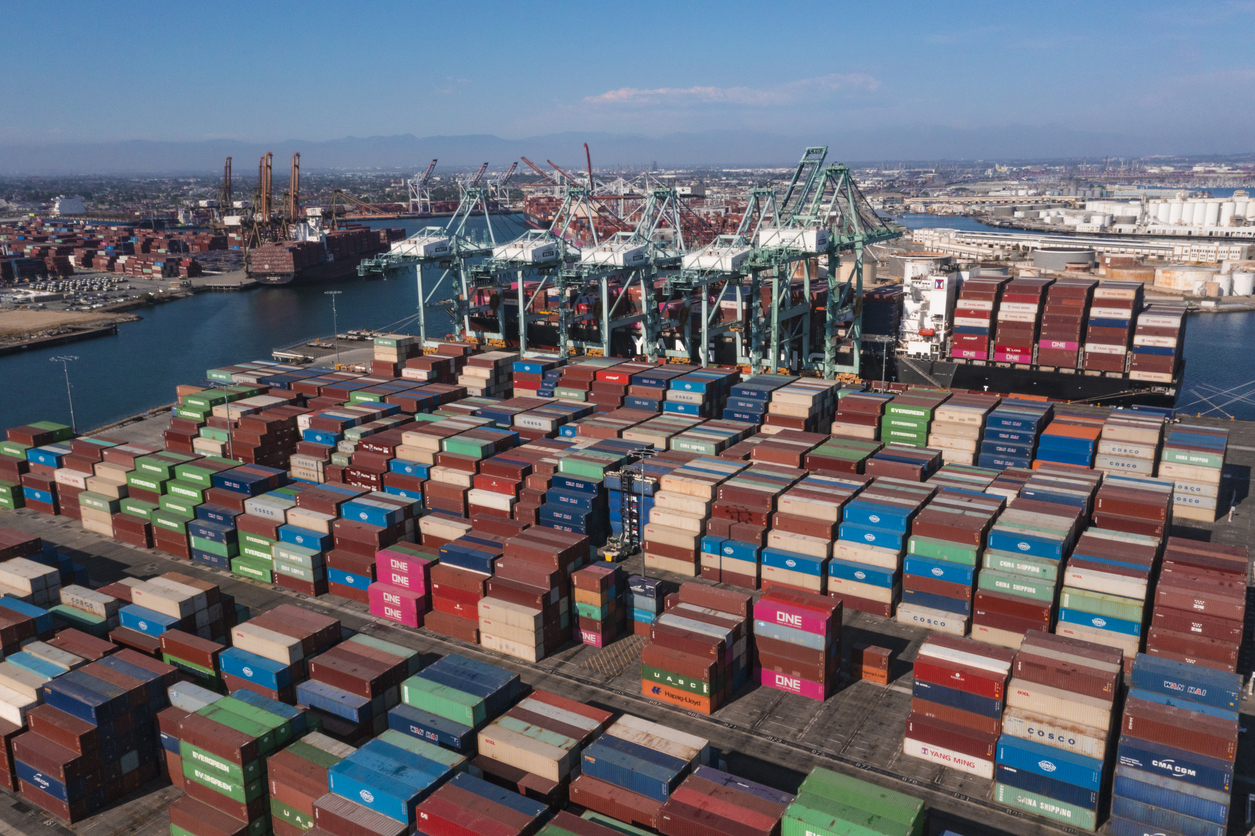
Global supply chains have always dealt with disruption. What has changed is the pace, frequency, and interconnected nature of those disruptions.
Over the last decade, importers have navigated labor strikes, tariff shifts, pandemic congestion, canal restrictions, geopolitical conflicts, vessel diversions, and growing regulatory complexity. What was once considered occasional volatility has now become a permanent operating condition for global trade.
As Roman Ramirez, Director of Commercial Strategy & Implementation at Gemini Shippers Association, explained during a recent Accessories Council webinar:
“Disruption is no longer the exception in logistics. It’s the operating environment itself.”
For importers, resilience is no longer simply about reacting quickly. It is about building supply chains designed to operate through continuous uncertainty.
Red Sea Disruptions Continue Reshaping Ocean Freight
One of the largest operational risks currently impacting global shipping remains the ongoing disruption around the Red Sea and Suez Canal region.
Due to security concerns, many carriers continue rerouting ships around the Cape of Good Hope instead of transiting through the Suez Canal. While safer operationally, the alternative route significantly increases transit times and transportation costs.
Initial estimates suggested diversions would add 10 to 14 days to shipments. In practice, many routes are now experiencing delays closer to 15 to 20 days.
Those extended transit times create several downstream challenges for importers:
- Increased inventory carrying costs
- Longer replenishment cycles
- Schedule instability
- Higher fuel expenses
- Increased insurance premiums
Longer vessel rotations also require carriers to deploy additional ships simply to maintain weekly service schedules, creating continued pressure across global networks.
Tariff Uncertainty Is Forcing Supply Chain Reassessment
Tariff policy continues influencing sourcing and procurement decisions across nearly every import category. Importers are not only managing direct tariff costs. They are also navigating rapidly changing landed cost calculations, sourcing diversification decisions, and evolving compliance requirements.
One major recent development has been changes to the de minimis exemption for low-value imports under $800. Previously, many of these shipments entered duty-free through parcel networks. Now, some companies are reassessing fulfillment strategies and shifting toward more traditional containerized shipping models.
That shift is expected to influence:
- Origin consolidation strategies
- Warehousing decisions
- Domestic fulfillment models
- Containerized shipping demand
For importers, tariff volatility has reinforced the importance of flexibility and diversified sourcing models rather than dependence on a single country or supplier.
Climate Risks and Fuel Volatility Continue Impacting Costs
Climate-related disruption is increasingly impacting transportation infrastructure directly.
The Panama Canal remains one of the clearest examples. Severe drought conditions over the last two years reduced vessel transits, limited canal capacity, and created congestion throughout the region.
At the same time, fuel market instability tied to geopolitical tensions continues affecting ocean freight pricing worldwide.
According to Bluspark’s analysis, every $5 increase in oil prices per barrel can add approximately:
- $35 per container to West Coast shipments
- $60 per container to East Coast shipments
These fuel impacts influence transportation costs far beyond the regions directly involved in conflict.
Carrier Consolidation Is Reshaping Procurement Strategy
Ocean carrier consolidation continues changing the balance of power within global shipping.
Over the last two decades, mergers, acquisitions, and alliance structures have reduced the number of independent carrier options available to importers. Today, most global container capacity is controlled through a small number of major carrier alliances.
For importers, procurement decisions increasingly involve evaluating:
- Network reliability
- Port coverage
- Schedule performance
- Operational flexibility
- Long-term stability
…rather than simply comparing a large number of carrier options.
At the same time, the industry is also facing significant overcapacity risk. Current vessel order books exceed 36% of existing fleet capacity, representing more than 12 million TEU of additional ships expected to enter the market over the coming years.
While current disruptions are absorbing much of that capacity today, long-term capacity will add pricing pressure on carriers, if market conditions stabilize.
Supply Chains Are Shifting From Lowest Cost to Resilience
One of the biggest long-term shifts happening across global supply chains is the move away from pure lowest-cost sourcing strategies.
For years, many organizations prioritized lean inventories and single-country sourcing models. Today, companies are increasingly prioritizing:
- Diversification
- Stability
- Multi-sourcing
- Nearshoring
- Flexibility
- Risk mitigation
Many organizations are diversifying sourcing across multiple countries (including Vietnam, India, Indonesia, Thailand, Cambodia, and Mexico) rather than relying heavily on a single manufacturing origin. The goal is not necessarily abandoning existing manufacturing hubs entirely. Instead, companies are reducing dependency on any single origin point that could create concentrated operational risk.
Compliance, Sustainability, and Technology Are Becoming Operational Necessities
Importers are also facing growing pressure around sustainability reporting, climate disclosures, and regulatory compliance.
Programs such as CBAM, California climate disclosure bills, IMO emissions initiatives, and EPR regulations continue increasing operational complexity for retailers and suppliers.
At the same time, companies are accelerating investments in technology, analytics, and AI-driven operational tools to improve forecasting, visibility, and decision-making.
Companies that fail to modernize operationally may struggle to remain competitive as supply chain complexity continues increasing.
What Importers Can Control
Importers cannot control geopolitical events, weather systems, labor negotiations, or fuel markets.
They can control how prepared they are to respond.
Organizations building resilient supply chains today are increasingly focused on:
- Diversified sourcing strategies
- Flexible transportation procurement
- Long-term relationships
- Shipment visibility
- Analytics and forecasting
- Compliance readiness
- Contingency planning
At Gemini Shippers Association, helping importers navigate these evolving market conditions remains central to the organization’s approach. Through aggregated buying power, carrier relationships, operational guidance, and transportation visibility tools, Gemini is helping members adapt to changing global conditions while maintaining flexibility across their supply chains.
In today’s environment, disruption is no longer the exception in global logistics.
It is the operating environment itself.